
News & Articles
Whether you’re looking to stay ahead of tax updates, seeking strategic advice to propel your business forward, or exploring financial best practices for your investment property, our curated content is designed to empower and inform. Dive into our comprehensive collection of articles and equip yourself with the knowledge to navigate the financial landscape with confidence.

Property Investment Strategies for Business Owners
Investment properties offer numerous advantages for business owners beyond just financial returns. They provide opportunities for wealth preservation, portfolio diversification, and tax advantages. Additionally, owning investment properties can serve as a hedge...

Director Identification Numbers: What you need to know
What is a Director Identification Number? A Director Identification Number, commonly known as a DIN, serves as a unique identifier for directors and plays a pivotal role in enhancing transparency and accountability within the corporate sector. Mandated by recent...

Tax Guide for Medical Professionals
With the ATO closely scrutinising work-related expense claims, medical professionals including doctors, dentists, ophthalmologists, therapists, chiropractors, among others, can benefit from the Australian Taxation Office's enhanced support and guidance. Recognising...

A Comprehensive Guide to Employee Share Scheme
What are Employee Share Schemes? Employee Share Schemes (ESS) refer to programs initiated by companies to offer their employees the opportunity to acquire shares or an ownership interest in the company. These schemes are designed to incentivise and reward employees...

The ATO’s Legal Win Over SingTel
The Australian Tax Office (ATO) has secured a noteworthy win in court against SingTel regarding its purchase of Optus, marking a significant moment for tax compliance among multinational corporations. This victory underscores the necessity for companies to adhere to...

Guide to SMSF: Compliance and Restrictions
What is SMSF? An SMSF, or Self-Managed Super Fund, is a private superannuation fund that you manage yourself. It's a way for individuals to save for their retirement, offering greater control over investment choices, such as stocks, real estate, and other assets....

Tax Guide for Lawyers
Understanding the nuances of tax deductions is critical for lawyers, particularly with the Australian Taxation Office (ATO) increasing scrutiny on expense claims. That's why it's crucial for you, as a lawyer, to understand what you can and cannot claim to ensure...

FBT Exemptions for Electric Vehicles
What is Fringe Benefits Tax (FBT)? Fringe Benefits Tax, commonly known as FBT, is a tax employers pay on certain benefits they provide to their employees, including their employees' family or other associates. The benefit may be in addition to, or part of, their...

What happens if you don’t pay your council rates?
What are Council Rates? Council Rates in Australia are local taxes levied by municipal or local governments on property owners. These rates are typically based on the land value of the property. The main purpose of council rates is to fund local services and...

How to find my ABN?
What is an ABN? An Australian Business Number (ABN) is a unique 11-digit identifier that allows businesses in Australia to interact with various government departments, including the Australian Taxation Office (ATO), and the community. It's used for various tax and...

How to Grow Your SMSF
What is SMSF? A Self-Managed Super Fund (SMSF) is a way for Australians to take more control of their retirement savings. Unlike traditional super funds, an SMSF allows its members to be trustees, making wider ranging decisions about investments and managing the fund...

How to Claim Fuel Tax Credits for Businesses
What are Fuel Tax Credits? Fuel tax credits are a financial return for businesses to offset the cost of fuel tax, including excise or customs duty, on fuel used in business operations like running machinery, equipment, heavy vehicles, and light vehicles on private...
Property Investment Strategies for Business Owners
Investment properties offer numerous advantages for business owners beyond just financial returns. They provide opportunities for wealth preservation, portfolio diversification, and tax advantages. Additionally, owning investment properties can serve as a hedge...
Director Identification Numbers: What you need to know
What is a Director Identification Number? A Director Identification Number, commonly known as a DIN, serves as a unique identifier for directors and plays a pivotal role in enhancing transparency and accountability within the corporate sector. Mandated by recent...
Tax Guide for Medical Professionals
With the ATO closely scrutinising work-related expense claims, medical professionals including doctors, dentists, ophthalmologists, therapists, chiropractors, among others, can benefit from the Australian Taxation Office's enhanced support and guidance. Recognising...
A Comprehensive Guide to Employee Share Scheme
What are Employee Share Schemes? Employee Share Schemes (ESS) refer to programs initiated by companies to offer their employees the opportunity to acquire shares or an ownership interest in the company. These schemes are designed to incentivise and reward employees...
Tax Guide for Lawyers
Understanding the nuances of tax deductions is critical for lawyers, particularly with the Australian Taxation Office (ATO) increasing scrutiny on expense claims. That's why it's crucial for you, as a lawyer, to understand what you can and cannot claim to ensure...
FBT Exemptions for Electric Vehicles
What is Fringe Benefits Tax (FBT)? Fringe Benefits Tax, commonly known as FBT, is a tax employers pay on certain benefits they provide to their employees, including their employees' family or other associates. The benefit may be in addition to, or part of, their...
How to find my ABN?
What is an ABN? An Australian Business Number (ABN) is a unique 11-digit identifier that allows businesses in Australia to interact with various government departments, including the Australian Taxation Office (ATO), and the community. It's used for various tax and...
How to Claim Fuel Tax Credits for Businesses
What are Fuel Tax Credits? Fuel tax credits are a financial return for businesses to offset the cost of fuel tax, including excise or customs duty, on fuel used in business operations like running machinery, equipment, heavy vehicles, and light vehicles on private...

When should businesses do record-keeping?
What is record-keeping? Record-keeping is the systematic organisation of all business financial activities, crucial for depicting your business' fiscal health. It involves documenting transactions, managing payroll, and ensuring compliance with financial and...

The 2023-2024 Federal Budget Updates – Key Tax Measures
The 2023-2024 Federal Budget was introduced amid daunting economic challenges, including high inflation, escalating interest rates, a persistent housing supply crisis, and an unstable global financial market. Nevertheless, the budget offers a glimmer of hope as it...

Fair Work Ombudsman focuses on payslips
Are you an Employer At a glance: The Fair Work Ombudsman is currently focusing on payroll governance including ensuring pay slips requirements are met. You should Payroll governance measures are important to ensure that you comply with requirements. Contact us if you...

Instant asset write-off ending 30 June 2023
Are you A business who intends purchasing or improving an asset before 30 June 2023? At a glance: You are still able to deduct the full cost of eligible assets up until 30 June 2023. You should Contact us if you require any clarification or advice Some pointers about...
Property Investment Strategies for Business Owners
Investment properties offer numerous advantages for business owners beyond just financial returns. They provide opportunities for wealth preservation, portfolio diversification, and tax advantages. Additionally, owning investment properties can serve as a hedge...
What happens if you don’t pay your council rates?
What are Council Rates? Council Rates in Australia are local taxes levied by municipal or local governments on property owners. These rates are typically based on the land value of the property. The main purpose of council rates is to fund local services and...

10 Tax Mistakes to Avoid When Buying Your First Property Investment
Congratulations on taking the exciting step towards property investment – a venture with the potential to shape your financial future! Amid the enthusiasm of acquiring a significant investment asset, it's crucial to address a less glamorous yet integral aspect: taxes....

2024 Tax Planning Tips for Property Investors
As the new year unfolds, seizing the opportunities of owning an investment property in Australia still tops the list of many seasoned investors' New Year’s Resolution. To pave the way for financial success in the fresh year, adeptly navigating the complexities of...

Softer refinancing policies available as fixed-rate mortgage terms expire
Almost 880,000 borrowers will need to find hundreds or thousands of dollars more each month when their fixed-rate periods expire this year. And for many, refinancing loans with a new lender (and a cheaper rate) has proven impossible due to strict criteria from the...
The 2023-2024 Federal Budget Updates – Key Tax Measures
The 2023-2024 Federal Budget was introduced amid daunting economic challenges, including high inflation, escalating interest rates, a persistent housing supply crisis, and an unstable global financial market. Nevertheless, the budget offers a glimmer of hope as it...

Why the Current Superfund Rules Are Fair
When Morrison, as treasurer, limited Super to $1.7m (together with a spouse $3.4m), that meant a 5% return earned $170K in tax-free income (for a couple) and $85K for a single, was sufficient to live on and reversed Superfunds from a tax avoidance vehicle to a genuine...

Small Business Owners and Property Investors Trust “PIT™”
If you are a Small Business owner then you should seriously consider purchasing your residential or commercial investment property in a Property Investors Trust. Some of the questions you may be asking: What is the best entity to own a property in? There are many...

Fixed vs Variable Mortgage Rates – What should I do?
Now more than ever, the question of fixed rates versus variable rates has become a hot topic of conversation. So how do you decide whether to your fix your home loan or not? Whether you are embarking on a new journey of property ownership with a new mortgage, or...

Why SMSF to Invest in Property
Recently, the government has proposed higher taxes on Superfunds and limitations on the amounts allowed to be held in a SMSF. In my opinion, this would be a serious long-term mistake, as it may discourage people from becoming self-sufficient and force them to rely on...

Why invest in property in Australia? Leverage and size matter.
As we bid farewell to a challenging 2022 and step into the new year, it appears that difficulties may persist for some time to come. But amidst the struggles, there are opportunities to be found. For example, the rise in interest rates has led to a decrease in...

Refinancing your home loan – Is the cash back offer worth it?
Unprecedented levels of interest rate increases have led to a declining lending market for banks and other lenders. So, what do you do as a business that is struggling to bring in new customers? You offer incentives of course. But are these incentives worthwhile to us...
Small Business Owners and Property Investors Trust “PIT™”
If you are a Small Business owner then you should seriously consider purchasing your residential or commercial investment property in a Property Investors Trust. Some of the questions you may be asking: What is the best entity to own a property in? There are many...

Setting Up a Family Trust in Australia
When it comes to tax planning and asset protection, trusts are one of the many structures available to any businesses or property investors. For families, a family trust has been a popular vehicle to protect the family’s assets and manage or take advantage of any tax...

Hybrid Trust
A Hybrid Trust is a cross between a Discretionary and a Unit Trust. This type of structure is quite appealing because it includes the benefits of both and is an extremely useful structure. You can split the trust up into units while also having beneficiaries to...
Guide to SMSF: Compliance and Restrictions
What is SMSF? An SMSF, or Self-Managed Super Fund, is a private superannuation fund that you manage yourself. It's a way for individuals to save for their retirement, offering greater control over investment choices, such as stocks, real estate, and other assets....
How to Grow Your SMSF
What is SMSF? A Self-Managed Super Fund (SMSF) is a way for Australians to take more control of their retirement savings. Unlike traditional super funds, an SMSF allows its members to be trustees, making wider ranging decisions about investments and managing the fund...

Federal Government Announces Changes to Superannuation Contribution Caps
Discover the latest updates in superannuation contributions brought to you by Chan & Naylor. The Federal government has just announced significant changes to contribution caps, set to take effect from July 1, 2024. Let's explore these changes and their potential...

News update- SMSF mortgage
Do you own property and hold a mortgage in your Self-Managed Super Fund? If so, it might be a good idea to review your current interest rate. At Chan and Naylor Finance, we have had countless clients coming to us with existing Superfund lending products, paying...

Superannuation guarantee percentage about to increase
Are you An employer? At a glance: The super guarantee (SG) rate will increase from 10.5% to 11% on 1 July 2023. You should Update your payroll systems to align with the increase; the new SG rate applies to payments made to workers on or after 1 July 2023. Contact us...
Why the Current Superfund Rules Are Fair
When Morrison, as treasurer, limited Super to $1.7m (together with a spouse $3.4m), that meant a 5% return earned $170K in tax-free income (for a couple) and $85K for a single, was sufficient to live on and reversed Superfunds from a tax avoidance vehicle to a genuine...

What’s all the fuss about a Self-Managed Superannuation Fund (SMSF)?
Despite recently proposed changes announced by the Government, your superannuation (super) fund will most likely be the primary vehicle for achieving your retirement goals and if managed properly, it should end up being one of your largest assets – more than enough to...

Public Super or Self Managed Super Fund – It Is All About Performance
The whys of poor super funds performance always boil down to one reason and mostly one reason alone: the fees are too high. While it's a good idea to have your super managed by a fund if you don't have the time nor the expertise to manage it, staying in control of...

Changes to Superannuation
There are a lot of changes proposed for Superannuation in 2022. Thanks to constant changes in super rules, it's all too easy to miss out on an opportunity you didn't know existed. What we know as of February 2022. – Great news for retirees The key superannuation...

New Disclosure Reform Warnings | Chan & Naylor
Super funds warn members may lose out from new disclosure reforms The Australian Institute of Superannuation Trustees (AIST) has come out with a warning that new disclosure regulations may harm member returns. “Requiring super funds to disclose the precise value of...

Superannuation Fees Explained
Superannuation Fees Explained | What Fees are you charged A previously released study from the Productivity Commission has revealed that Australians who moved from poorly performing funds to the best fund could benefit by as much as $600,ooo in retirement. (Source:...

Federal Budget 2021 – Superannuation Changes
No changes to increase in superannuation guarantee percentage Despite increasing pressure from some businesses and the media to again pause the superannuation guarantee (SG) rate, no changes were announced to the SG rate in the Budget. Consequently, from 1 July 2021,...

Essential Qualities to Look for in Your Property Accountant
Searching for the ideal property accountant is similar to discovering a trusted ally for your financial path. It’s about partnering with someone who shares your commitment to success. In this guide, we'll unveil the 10 essential qualities your property accountant...
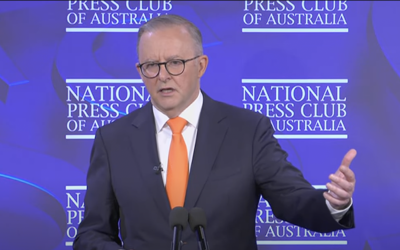
Revised Stage 3 Tax Cuts in Australia: What You Need to Know
Key Points Prime Minister Anthony Albanese announced significant changes to Australia's Stage 3 tax cuts on 25 January 2024. The lowest tax rate is reduced from 19% to 16% for incomes under $45,000. Adjustments made to tax brackets to provide relief for middle-income...
The 2023-2024 Federal Budget Updates – Key Tax Measures
The 2023-2024 Federal Budget was introduced amid daunting economic challenges, including high inflation, escalating interest rates, a persistent housing supply crisis, and an unstable global financial market. Nevertheless, the budget offers a glimmer of hope as it...

Private health insurance rebate income thresholds are changing
Are you A taxpayer who has private health insurance? At a glance: On 1 July 2023 (for the 2023-24 income year), the income thresholds for the calculation of the private health insurance rebate will change. You should Contact us if you require clarification or advice....
Instant asset write-off ending 30 June 2023
Are you A business who intends purchasing or improving an asset before 30 June 2023? At a glance: You are still able to deduct the full cost of eligible assets up until 30 June 2023. You should Contact us if you require any clarification or advice Some pointers about...
Why the Current Superfund Rules Are Fair
When Morrison, as treasurer, limited Super to $1.7m (together with a spouse $3.4m), that meant a 5% return earned $170K in tax-free income (for a couple) and $85K for a single, was sufficient to live on and reversed Superfunds from a tax avoidance vehicle to a genuine...

Top 10 Tax Deductions for Small Businesses
Running a business is always challenging. Between inventory, paperwork, and taxes, having your own business can sometimes feel like an uphill battle. But don't let the confusion of filing tax returns get you down, small business owners can take advantage of plenty of...

A New Compliance Storm – Director Penalties
New figures from the ATO reveal that it issued 18,500 Director Penalty Notices (DPNs) in 2022 and disclosed the tax debts of almost 500 businesses to credit referral agencies. This new weapon waved in $714 million tax debt payment for the Government agency, and an...
Rate rises, when will they end?!
On the first Tuesday in December Phillip Lowe and the RBA announced their 8th consecutive increase to the Reserve Bank Cash Rate. This takes us to the highest cash rate (3.1%) in over 10 years, and this has and will have, a significant impact on the housing and...
Unwrapping the joys and pitfalls of giving
Christmas is a time of giving, when thoughts turn to family and to helping those less fortunate. To gift in a meaningful way that maximises the benefits, it’s important to consider tax. While Australia doesn’t have a gift tax, there are tax considerations...

Tax Tips for Small Business owners
Small business owners often interact with the ATO and their tax agent throughout the year. Tax time provides an added opportunity to ensure your tax affairs are in order, obtain essential tax advice and see if you can improve your tax position. You should speak to you...

Tax Tips for Investors – Tax Accountants
Many Australians invest in property, financial markets and other assets, both in Australia and overseas. Managing the tax on your investments can help you increase your wealth. The ATO’s data matching and information-gathering capabilities are significant and cover...
The ATO’s Legal Win Over SingTel
The Australian Tax Office (ATO) has secured a noteworthy win in court against SingTel regarding its purchase of Optus, marking a significant moment for tax compliance among multinational corporations. This victory underscores the necessity for companies to adhere to...
FBT Exemptions for Electric Vehicles
What is Fringe Benefits Tax (FBT)? Fringe Benefits Tax, commonly known as FBT, is a tax employers pay on certain benefits they provide to their employees, including their employees' family or other associates. The benefit may be in addition to, or part of, their...
Federal Government Announces Changes to Superannuation Contribution Caps
Discover the latest updates in superannuation contributions brought to you by Chan & Naylor. The Federal government has just announced significant changes to contribution caps, set to take effect from July 1, 2024. Let's explore these changes and their potential...
Revised Stage 3 Tax Cuts in Australia: What You Need to Know
Key Points Prime Minister Anthony Albanese announced significant changes to Australia's Stage 3 tax cuts on 25 January 2024. The lowest tax rate is reduced from 19% to 16% for incomes under $45,000. Adjustments made to tax brackets to provide relief for middle-income...

Ed Chan: Finalist in the 2023 Australian Accounting Awards | Chan & Naylor
We are thrilled to announce that Ed Chan, Co-founder and Non-Executive Chairman of Chan & Naylor, has been selected as a finalist for the prestigious Australian Accounting Awards as Thought Leader of the Year. With an illustrious career spanning over several...

Protecting consumers from Cryptocurrency scams
In the past few months, the Australian government and regulators have placed a strong focus on protecting consumers from cryptocurrency scams, especially in light of the recent collapse of well-known crypto businesses. One effective strategy to achieve this goal could...
Superannuation guarantee percentage about to increase
Are you An employer? At a glance: The super guarantee (SG) rate will increase from 10.5% to 11% on 1 July 2023. You should Update your payroll systems to align with the increase; the new SG rate applies to payments made to workers on or after 1 July 2023. Contact us...
New paid family and domestic violence leave
Employees will soon be able to access 10 days of paid family and domestic violence leave in a 12-month period. All employees in the Fair Work system (including part-time and casual employees) will be entitled to 10 days of paid family and domestic violence leave in a...
Rate rises, when will they end?!
On the first Tuesday in December Phillip Lowe and the RBA announced their 8th consecutive increase to the Reserve Bank Cash Rate. This takes us to the highest cash rate (3.1%) in over 10 years, and this has and will have, a significant impact on the housing and...

NSW Government Small Business Support Package – January 2022
Small Business Support Package The NSW Small Business Support package provides eligible employing businesses with a lump sum payment of 20% of weekly payroll, up to a maximum of $5,000 per week for the month of February 2022. The minimum weekly payment for employers...

Tax treatment of cryptocurrencies – How the ATO deals with it.
Tax treatment of cryptocurrencies – How the ATO deals with it. The term cryptocurrency is generally used to describe a digital asset in which encryption techniques are used to regulate the generation of additional units and verify transactions on a blockchain....

Federal Budget 2021 – Business Owners
A number of important measures were announced to more broadly support business taxpayers. These measures will support businesses to invest and grow, remove unintended consequences and reduce compliance costs. Extension of temporary full expensing measure A one year...